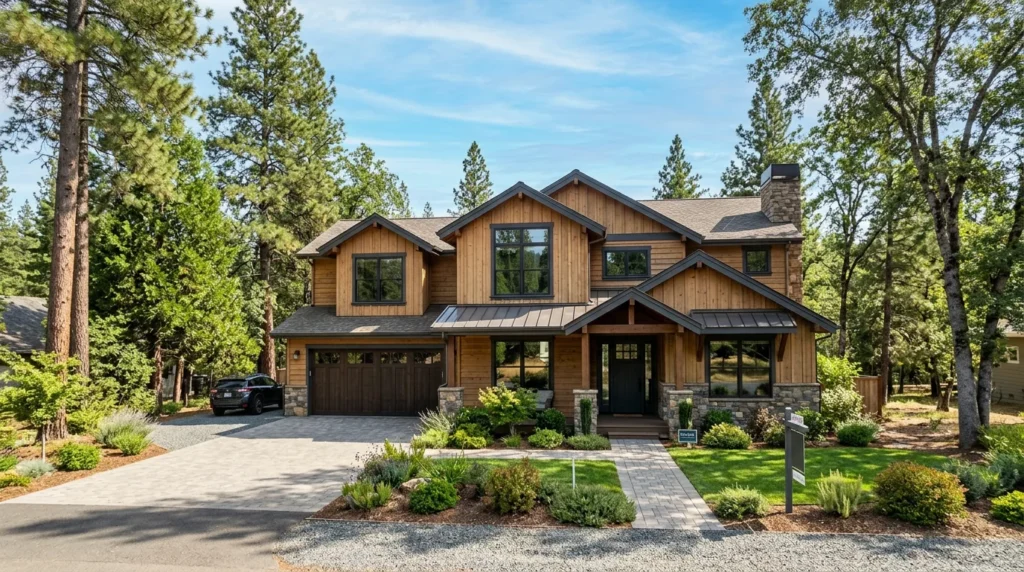
Quick answer: You can find Paradise, CA homes for sale through MLS-based searches, a Realtor’s curated feed, and open houses, then narrow choices by insurance availability, condition, and neighborhood rebuilding status. Request disclosures early, verify permit and hazard information, and confirm utility service and costs. Use inspections to pressure-test big-ticket systems like roof, foundation/drainage, electrical, plumbing, and HVAC before you remove contingencies.
Where to Look for Current Listings
The most reliable place to start is an MLS-fed search because it updates as homes go active, go pending, or change price. You’ll also see key details like days on market, disclosures offered, and whether the home is a site-built house, manufactured home, or new construction. You can also use this MLS search page for Paradise CA homes for sale to get a snapshot of what’s available.
After you spot a few candidates, ask for the disclosures package early (before you get attached). In Paradise, the “paperwork” can matter as much as the photos: prior repairs, permits, well/septic details if applicable, and any wildfire-related history. Listing remarks won’t replace actual reports and receipts.
A Paradise Buyer Verification Checklist
Use a simple checklist to verify facts you can’t see in a showing. These are common items buyers request or confirm during escrow in California, and they help you compare homes consistently.
Request/check: California Natural Hazard Disclosure (NHD) report; Transfer Disclosure Statement (TDS) and Seller Property Questionnaire (SPQ); any wildfire-related disclosures and insurance loss history the seller is willing/able to provide; permit history and finaled permits through Town of Paradise/Butte County records; septic/well documentation if applicable (inspection, pumping records, water tests); utility providers and current service status (PG&E for electric/gas where available, local water/sewer providers) confirmed directly with the provider; parcel maps, easements, and lot lines via county GIS/assessor resources; and HOA/road maintenance agreements if a private road is involved.
General guidance: if you can’t verify a key item in writing (like a permitted addition, a functional septic, or an insurable structure) before contingencies are removed, treat it as a risk to price, terms, or even whether to proceed.
Insurance and Wildfire Due Diligence Using Official Resources
Insurance is a practical first filter. Before you write an offer, call your insurance agent with the exact address and ask what coverage looks like, including fire coverage, deductibles, and any property requirements. For official, California-specific background on availability and options, review the California Department of Insurance resources and the California FAIR Plan information (both publish guidance on coverage basics, eligibility, and consumer steps).
For rebuilding and permit context, check Town of Paradise and Butte County building/permit resources for how permits are issued, what records are available, and what a buyer can request. General guidance: in areas with a mix of new builds, older homes, and vacant lots, confirm what’s actually connected and active—water, sewer/septic, power, and road access—rather than assuming based on neighboring properties.
How to Compare Homes Without Getting Tricked by Photos
Photos can hide the most expensive issues. Focus on five big-ticket categories and pair each with a clear next step before you remove contingencies.
Roof: If you see curling shingles, patchwork, sagging lines, or ceiling stains, request a roof inspection/certification and budget for repair or replacement; negotiate if the report is clear, walk away if active leaks or structural roof issues can’t be resolved on timeline. Foundation and drainage: For cracks, sloping floors, sticking doors, or water pooling near the home, bring in a qualified foundation contractor or structural engineer and evaluate grading/drainage fixes; negotiate for correctable drainage, reconsider if movement is ongoing or repairs are outside your comfort zone. Electrical: For outdated panels, DIY wiring, frequent tripping, or missing GFCI protection, hire a licensed electrician and confirm the panel/service size supports your needs; negotiate upgrades, and pause if safety hazards are flagged. Plumbing: For low pressure, corrosion, recurring leaks, or signs of prior water damage, get a plumbing inspection (and sewer lateral/septic inspection where applicable); negotiate for scoped repairs, and be cautious if repeated leaks suggest widespread repipe needs. HVAC: For very old equipment, uneven heating/cooling, or loud operation, request HVAC service records and a technician evaluation; negotiate replacement credits when near end-of-life, and consider walking if the system can’t be safely operated during inspection.
Manufactured homes deserve a slightly different checklist. Confirm foundation type, tie-downs, and whether it’s on a permanent foundation if financing requires it. For any property, ask which inspections are already available (pest, roof, home, septic) and which you should order based on the site.
If you want help lining up listings, disclosures, and neighborhood trade-offs into a practical plan, Brent McCarthy Realtor can help.