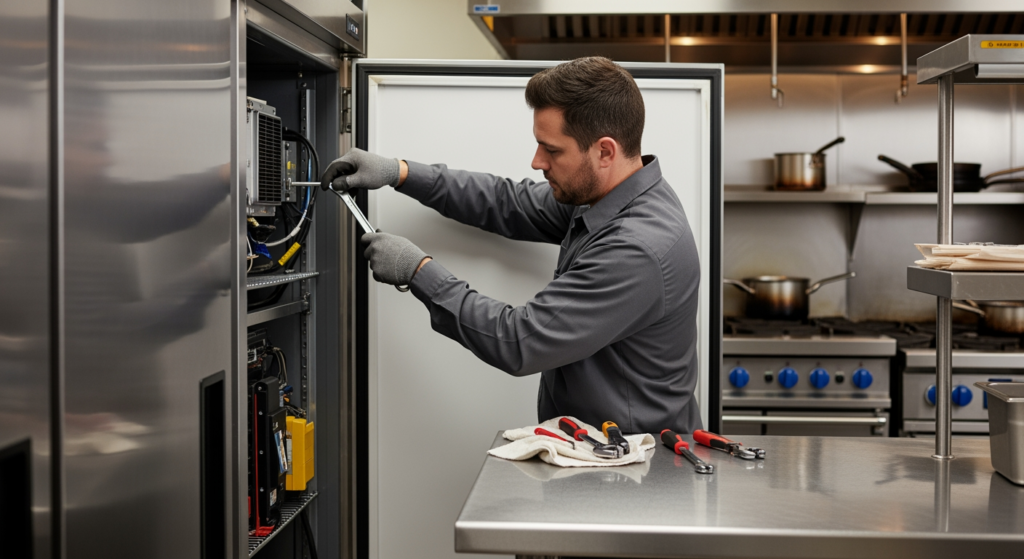
I know how much is riding on a single cooler or freezer in a small business. When temperature-sensitive inventory is on the line, quick, local help matters. I’ve written this guide to Sun Prairie commercial refrigeration services to help owners and managers in Sun Prairie, WI understand options, spot problems early, and choose the right service approach. For regional planning and population trends that shape demand for businesses here, the U.S. Census Bureau has current resources at their homepage: https://www.census.gov/.
Why quality commercial refrigeration service matters in Sun Prairie
Sun Prairie is one of Wisconsin’s fastest-growing communities in the Madison metro area, and that growth brings more restaurants, grocers, cafes, and food-processing operations that rely on dependable refrigeration. A poorly performing walk-in cooler or aging compressor doesn’t just raise energy bills — it risks product loss, health code violations, and interruptions to revenue. Local weather swings in southern Wisconsin, from hot, humid summers to cold winters, add load stress to compressors and controls. That is exactly why fast response, preventive service, and energy-smart upgrades are so important for businesses in this area.
Common commercial refrigeration systems we see and service
Commercial refrigeration covers several types of equipment, each with different service needs. Here are the systems most local businesses rely on:
- Walk-in coolers and freezers used by restaurants, caterers, and grocery stores.
- Reach-in refrigerators and display cases that keep retail and deli products visible and safe.
- Packaged rooftop refrigeration and split systems for larger cold storage and food-processing areas.
- Ice machines, prep tables, and under-counter refrigerators in food service operations.
Each system has typical failure points — condensers clogged with debris, leaking refrigerant, failing thermostats, worn door gaskets, and compressors that are past their service life. A technician who knows local codes and weather patterns can diagnose the root cause faster, avoiding repeated callbacks and downtime.
Signs your refrigeration needs immediate attention
Not every problem requires an emergency call, but there are clear signals that you should get help now rather than later. Watch for sustained temperature drift, ice buildup where it shouldn’t be, unusual noises, or visible leaks of oil or refrigerant. You might also notice increased energy bills or frequent cycling as the system struggles to hold setpoints. Those are often early warnings that components are failing or that the system is improperly charged.
Preventive maintenance checklist that saves money
Routine maintenance reduces emergency repairs, extends equipment life, and keeps energy expenses in check. I recommend a simple quarterly checklist that most managers can follow alongside professional service visits:
- Clean condenser coils and clear airflow pathways to improve heat exchange and reduce compressor load.
- Inspect and replace door gaskets to prevent warm air infiltration and ice build-up.
- Check and calibrate thermostats and recording devices to ensure accurate temperature control.
- Look for oil stains, loose fittings, and signs of refrigerant leaks around valves and service ports.
Professional technicians should perform a more thorough inspection at least twice a year, including refrigerant charge checks, electrical testing, and verifying defrost sequences. These visits help prevent mid-season failures and ensure your equipment complies with safety and environmental standards.
Emergency repairs and what to do right now
During an outage, a little quick action can limit product loss and help technicians diagnose problems faster.
- Move perishable goods to backup refrigeration if available, or into coolers and dry ice when necessary to protect inventory.
- Keep refrigerator and freezer doors closed to maintain internal temperatures while you arrange service.
- Record recent symptoms: strange noises, error codes, recent power interruptions, or work done on the unit. That information speeds up diagnostics.
- Call a licensed commercial refrigeration service with the system make and model on hand if possible.
Having a prearranged emergency plan with a local provider who understands business hours, loading docks, and downtown logistics can save hours in a crisis. Local technicians familiar with Sun Prairie and the greater Madison area routes can often reach sites faster than out-of-town contractors.
Energy-saving upgrades and current trends
Refrigeration technology has evolved quickly. Two major trends are worth noting for owners in this area: a move to lower-global-warming-potential (GWP) refrigerants and the adoption of smart controls and remote monitoring. Both trends deliver long-term cost savings and regulatory resilience.
Newer refrigerants and equipment designs reduce leakage impact and often run more efficiently, cutting operating costs. Smart controls and IoT sensors let managers monitor temperatures, get alerts for out-of-range events, and spot efficiency losses before they become failures. These systems are especially useful for multi-location operators in the Madison metro area who want centralized oversight of downtown locations and storefronts across the city.
Additionally, investing in LED case lighting, door night covers for display cases, and ECM fan motors can create notable reductions in electricity use during peak summer months.
Compliance and environmental considerations
Commercial refrigeration is subject to national and state regulations on refrigerant handling, reporting, and equipment disposal. Proper certification for technicians and documented service records are important not only for safety but also to remain compliant during inspections. Replacing older systems that use phased-out refrigerants can be a smart strategic move, avoiding future service limitations and potential fines.
Choosing the right local service partner
Here’s what I look for when evaluating a commercial refrigeration provider for a local business:
First, certifications and experience matter. Technicians should be certified in commercial refrigeration and trained to handle the refrigerants used in your equipment. Second, local presence and response time are vital. Being close by matters when temperatures spike in summer or a deliverable freezer fails overnight. Third, transparent pricing, documented preventive plans, and clear warranty terms help you compare proposals fairly. Finally, look for partners who offer tailored service agreements that match your hours and product sensitivity — a hospital kitchen and a small deli will have different uptime priorities.
How maintenance contracts typically work
Maintenance contracts can be structured in several ways but usually include scheduled visits, priority emergency response, replacement-part discounts, and documented reporting. Contracts reduce surprise expenses and provide predictable budgeting. When I help clients evaluate agreements, I ask for details on response windows, what constitutes emergency service versus scheduled work, and how spare parts are priced. A good contract aligns service tasks with your busiest seasons and minimizes disruption to operations.
Cost considerations and ROI
Upfront replacement can be expensive, but so can repeated repairs and energy waste from inefficient systems. When deciding between repair and replace, consider these factors: age of equipment, frequency of breakdowns, energy usage, availability of parts, and regulatory phase-outs of refrigerants. In many cases, the ROI on a new, energy-efficient refrigeration system shows up in lower utility bills, reduced spoilage, and fewer emergency calls within three to five years.
Local case examples and practical tips
Across the Sun Prairie and Madison area, I’ve seen small grocers avoid weekend losses by installing remote temperature monitoring that calls staff at the first sign of drift. Another common success is a preventive gasket replacement program for storefronts with high foot traffic — that simple step often reduces compressor run-time and energy costs during summer. For larger operations, staged replacement of compressors to match peak cooling loads can balance budget and reliability without a full system tear-down.
Practical steps I recommend right now for any business in the area are:
- Document equipment make, model, and age — attach it to invoices and quick reference sheets for staff.
- Set a minimum twice-yearly professional inspection timed before summer and before peak winter usage.
- Install basic remote alerts on critical units so you receive an email or text when temperatures deviate.
- Create an emergency inventory plan identifying backup storage options and priority products to save first.
Questions to ask your service provider
When speaking with a refrigeration technician, these questions cut to the heart of reliability and cost:
How quickly can you respond to emergencies in Sun Prairie? What certifications does your team hold for commercial refrigeration and refrigerant handling? Can you provide references from nearby businesses, and do you offer written maintenance plans and digital service reports? Finally, ask about parts warranties and whether they stock common replacement components locally to speed repairs.
Final thoughts
Commercial refrigeration is a critical but manageable part of running a food business in Sun Prairie, WI. With routine maintenance, smart upgrades, and a local response plan you can reduce energy costs, avoid inventory loss, and keep operations smooth through seasonal peaks. Trends like lower-GWP refrigerants and remote monitoring offer opportunities to improve reliability while meeting environmental expectations.
If you’re ready to compare maintenance plans, schedule a preventive visit, or need emergency service in Sun Prairie, reach out to NexTech North America for local support and next-step options.