When I help homeowners think through Garage Door Replacement, the conversation always starts with safety and value. A garage door is more than curb appeal — it protects your car, keeps the weather out, and affects home energy use. If you’re thinking about swapping an old door for a new one, it helps to know the signs, the choices, and the step-by-step process so you can make a smart decision. For a snapshot of trends in housing and home improvement that often drive replacement needs, the U.S. Census Bureau has useful national data on renovation activity and housing stock at https://www.census.gov/ that I consult when planning projects.
How to Tell It’s Time for a New Garage Door
Not every problem needs a full replacement. I always recommend checking for these clear indicators before you decide to replace rather than repair.
- Repeated failures: If springs, rollers, or tracks fail again and again, the underlying door may be worn beyond cost-effective repair.
- Visible structural damage: Warping, wide cracks in panels, or rotten bottom sections weaken the door and can endanger the opener or the home’s security.
- Poor insulation and drafts: If the garage is cold in winter or extreme in summer, replacing the door with an insulated model can cut energy loss.
- Outdated style or function: Faded finishes, broken glass, or doors that don’t match the home’s style can lower curb appeal and resale value.
Common Problems That Lead to Replacement
I see a few recurring pain points that push homeowners toward a full replacement instead of piecemeal repairs. First, aging hardware: cables and torsion springs are under high stress and become risky as they get older. Second, damage from accidents or storms; large dents or misaligned tracks often mean the entire system won’t operate safely. Third, changes in use — families converting garages to living space, workshops, or simply needing greater insulation — often require a different door type than the original.
Material and Style Options Explained
Choosing the right door depends on budget, local weather, and the house style. I walk people through these material choices so they match performance with appearance.
Steel
Steel is the most common choice because it balances cost, strength, and maintenance. It comes in single- or double-layer constructions and can be insulated with foam cores for better energy efficiency. Steel resists impact well, but in coastal locations it may need rust-resistant finishes.
Aluminum
Aluminum is lightweight and resists corrosion, which makes it a good choice for humid or coastal areas. It’s often used for modern, full-view designs with glass panels. Aluminum dents more easily than steel, so it’s best when weight and style matter more than heavy-duty impact resistance.
Wood and Composite
Wood offers a classic look and custom details, but it requires regular maintenance to prevent rot and warping. Composite materials mimic wood’s look with lower upkeep and often include insulated cores. For period homes and high-end renovations, wood or composite can be a strong visual choice.
Insulation and R-Value
Insulated doors have foam cores that raise the R-value and lower noise transfer. If your garage is attached or you use the space often, a door with higher insulation improves comfort and can reduce HVAC load. I recommend sealed edges and thermal breaks for best performance in colder climates.
How Much Does Replacement Cost and What Affects Price
Cost depends on size, materials, finish, hardware quality, insulation, and labor. Basic single-car steel doors are the most budget-friendly, while custom wood doors or doors with specialty glass and high-end openers are on the upper end. Local permit fees and disposal of the old door also affect the final number. I always tell homeowners to get at least two detailed estimates that list parts and labor so they can compare apples to apples.
Budgeting Tips
Plan for these common line items when you budget for a replacement so there are no surprises:
- New door panels and hardware (springs, cables, rollers)
- Opener compatibility or a new smart opener if you want automation upgrades
- Insulation upgrade or weather seals
- Permits and disposal fees
Trending Topics in Garage Doors
Two trends I’m seeing that are shaping replacements right now are smart home integration and energy-conscious materials. More homeowners want doors that connect to apps and voice assistants so they can monitor access remotely. Manufacturers now offer openers with Wi-Fi, built-in cameras, and battery backup options. On the materials side, insulated composite panels and higher R-values are becoming the norm as people seek better efficiency and quieter operation. Choosing a door and opener that work together avoids costly compatibility issues later.
The Replacement Process Step by Step
I like to outline the typical replacement timeline so homeowners know what to expect from estimate to final test. A clear plan reduces downtime and helps manage neighbors’ expectations if installers are working at the curb.
Site Visit and Estimate
An installer measures the opening, inspects the frame and track, and discusses material and hardware options. This is the time to talk about insulation, windows, finishes, and opener preferences. Ask for a written estimate that includes warranty details for parts and labor.
Scheduling and Permits
Depending on local rules, a permit may be required. A professional installer will usually handle permit acquisition, but confirm who will pay fees and pull the permit. Typical lead times vary with material availability; high-demand specialty doors may take several weeks to order.
Removal and Installation
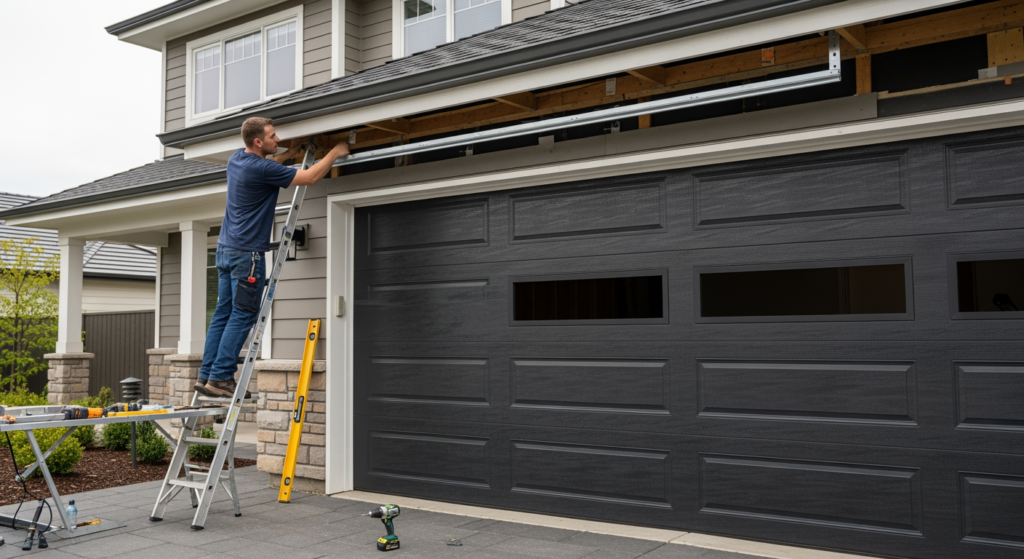
Installers remove the old door and hardware, prepare the opening, install the new tracks and panels, and set springs and cables with precise tension. The opener is mounted and programmed last. Expect a full-day job for a standard single- or double-car door; larger or custom installations can take longer.
Final Inspection and Walkthrough
After installation, I always walk through safety features like auto-reverse, test balance, and show homeowners how to operate manual release. Reputable installers leave documentation, warranty papers, and maintenance tips so you’re not left guessing.
Permits, Codes, and Safety
Building codes and safety standards change over time, and older doors may not meet current requirements. Modern systems include anti-entrapment sensors and emergency release mechanisms. When replacing a door, checking local code requirements is essential. A professional installer familiar with local regulations will ensure the new door meets safety standards and will help avoid fines or future insurance issues.
Choosing a Local Contractor
Picking the right installer matters more than finding the cheapest price. I always recommend these criteria when vetting local contractors.
- Proper licensing and insurance to protect you during work
- Transparent written estimates with clear warranty terms
- Positive local reviews and references from recent jobs in nearby neighborhoods
- Clear timeline and communication about lead times and permits
Questions to Ask Before Hiring
Before you sign, ask the installer about warranty length on springs and panels, whether they use name-brand openers, what happens if parts arrive late, and how they handle cleanup. A good contractor will answer these questions clearly and provide a paper trail.
DIY vs Professional Replacement
Replacing a garage door is heavy, technical work that involves high-tension springs and precise alignment. While some handy homeowners tackle panel swaps or simple hardware fixes, full replacements are best left to professionals for safety and warranty reasons. If you’re considering DIY for parts of the job, limit it to painting or cosmetic updates after a professional installs the main system.
Maintenance Tips to Extend Door Life
After investing in a new door, simple maintenance keeps it running longer and prevents small issues from becoming costly repairs. Here’s a quick checklist I recommend doing seasonally.
- Lubricate rollers, hinges, and springs with the right lubricant to reduce wear and noise
- Check weather seals and replace if cracked or missing to maintain insulation
- Test auto-reverse and photo-eye safety sensors monthly
- Inspect cables and rollers for fraying or significant wear and call a pro if you see problems
Frequently Asked Questions
How long does a new garage door last
With proper maintenance and average use, a well-made garage door can last 15 to 30 years. Lifespan depends on material, climate, and how often the door cycles. Mechanical parts like springs usually need replacement more frequently, often every 7 to 10 years depending on use.
Will a new door increase my home’s resale value
Yes. A new, attractive, and energy-efficient garage door improves curb appeal and can offer a strong return on investment. Buyers often notice a modern door and automatic opener as a value-add, especially when the garage is attached to the living area.
Do I need to upgrade my opener with a new door
Not always, but it’s smart to evaluate. If your current opener is older, lacks safety features, or is underpowered for a heavier insulated door, upgrading ensures reliable performance. Consider an opener with battery backup and smart controls if connectivity matters to you.
Preparing Your Garage for Replacement Day
A little preparation makes installation smoother. Clear vehicles and personal items from the garage and driveway so installers have easy access and safe working space. If you store items along the tracks or walls, move them to a safe area. I also recommend checking the approach to your driveway so installers can park equipment without blocking the street or neighbors’ driveways.
Final Thoughts
Replacing a garage door is an investment that pays off in safety, comfort, and curb appeal. By watching for the early signs of failure, choosing materials that fit your climate and aesthetic, and hiring a reputable local contractor, you’ll get a system that performs for years. Keep in mind the growing trends toward smart openers and better insulation — they can significantly improve convenience and energy performance.
When you’re ready, I recommend getting a few local estimates and asking about warranties and permit handling. If you’d like trusted, local help with measurements, product choices, and a clear installation timeline, contact AA Garage Door for a consultation and on-site estimate.